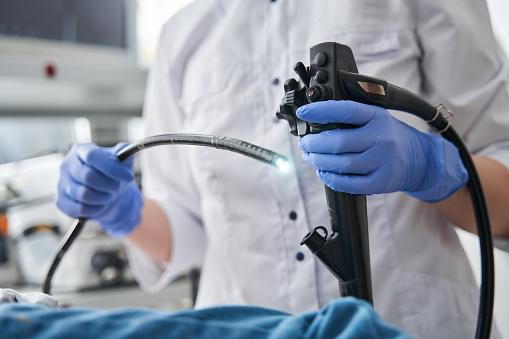
What is a Motility Disorder
Motility disorders are a group of conditions that affect the normal contractions of the digestive tract and cause symptoms and complications. They can severely impair the GI tract’s ability to move food and waste properly and cause a lot of discomfort and pain. With management, you can relieve your symptoms and live better.
## Symptoms of Motility Disorders
Common Symptoms:
- Abdominal Pain: Most of the time localized or generalized.
- Bloating: Feeling full or swelling in the abdomen.
- Changes in Bowel Habits: Constipation, diarrhea or both.
Esophageal Symptoms:
- Difficulty Swallowing (Dysphagia): Feeling of food sticking or can’t swallow.
- Acid Reflux: Heartburn and regurgitation due to incompetent esophageal closure.
Gastric Symptoms:
- Nausea and Vomiting: Especially with delayed gastric emptying.
- Early Satiety: Feeling full after eating.
Colonic Symptoms:
- Infrequent Bowel Movements: Less than 3 times a week (constipation).
- Diarrhea: Frequent loose or watery stools.
## Causes of Motility Disorders
The causes of motility disorders are often multiple and complex:
- Neurological Disorders: Conditions that affect nerve function can cause motility problems.
- Infections: Certain GI infections can cause long term motility problems.
- Genetic Factors: Conditions like mitochondrial disorders can predispose to motility issues.
- Structural Abnormalities: Strictures or tumors can also affect motility.
## Types of Motility Disorders
1. Esophageal Motility Disorders: Achalasia (difficulty swallowing) and Diffuse Esophageal Spasms (chest pain).
2. Gastric Motility Disorders: Gastroparesis (delayed gastric emptying).
3. Intestinal Motility Disorders: Chronic intestinal pseudo-obstruction (mimics blockage) and IBS (affects bowel movements).
## Diagnosis of Motility Disorders
Diagnosis is key to treatment. Tests may include:
- Manometry: Measures pressure and movement in the esophagus or GI tract.
- Gastroparesis Scintigraphy: Gastric emptying.
- Colonic Transit Studies: Colonic motility.
## Treatment of Motility Disorders
Treatment is based on the individual’s disorder and symptoms:
- Medications: Prokinetics to increase GI motility; antispasmodics to relieve muscle cramps.
- Dietary Changes: High fiber diet to regularize bowel movements.
- Lifestyle Modifications: Scheduled eating and hydration to help symptoms.
- Surgery: For severe cases that don’t respond to other treatments (e.g. laparoscopic Heller myotomy for achalasia).
## Complications of Motility Disorders
Motility disorders can cause:
- Malnutrition: Inadequate nutrient absorption.
- Dehydration: Especially if vomiting or diarrhea is persistent.
- Bowel Obstruction: A medical emergency.
## Prognosis of Motility Disorders
The prognosis of motility disorders depends on the underlying cause. Primary motility disorders have a better prognosis since there are effective treatments.
## Living with a Motility Disorder
Managing life with a motility disorder requires a comprehensive and often multidisciplinary approach. Working with healthcare professionals from different specialties can help with symptom management and overall well-being.
---
Motility disorders are important for patients and healthcare providers to understand. It enables proper diagnosis and management of these complex conditions. By knowing the symptoms and treatment options, you can take control of your health and live better.