Crohn’s Disease Vaccine: Benefits and Considerations
What is Crohn’s Disease?
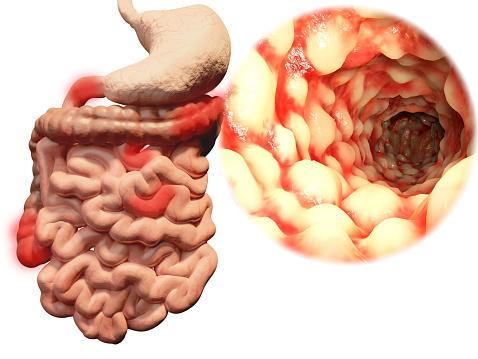
Crohn’s disease is an inflammatory bowel disease (IBD) that causes chronic inflammation in the gut.
It’s a lifelong disease that has periods of remission and relapse.
Symptoms include abdominal pain, rectal bleeding and weight loss.
Patients with Crohn’s disease, especially those with chronic liver disease, are at higher risk of getting infections like hepatitis A virus.

The Immune System and Crohn’s Disease
Crohn’s disease is an inflammatory bowel disease (IBD) that involves the immune system, causing chronic inflammation in the gut. Normally the immune system defends the body against bad invaders like bacteria and viruses. But in Crohn’s disease the immune system mistakes healthy tissues in the gut for the bad guys and attacks them, causing persistent inflammation and damage.
This complex misdirected immune response involves various immune cells like T cells, B cells and macrophages. These cells release pro-inflammatory cytokines, signaling molecules that increases inflammation and contribute to the tissue damage of Crohn’s disease.
Understanding the immune system’s role in Crohn’s disease is key to developing effective treatments. Researchers are continuously looking for new targets, including biologics that inhibit specific immune cells and cytokines. These aim to modulate the immune response, reduce inflammation and improve quality of life for Crohn’s patients.
Vaccination for IBD Patients
Patients with Crohn’s disease are more susceptible to infections which can trigger disease flares.
Vaccination is important to prevent infectious diseases and reduce the risk of complications especially for those who are being treated for Crohn’s disease.
The American Gastroenterological Association (AGA) recommends vaccines for adults with IBD, including flu, hepatitis B and pneumonia vaccines.

Types of Vaccines for Crohn’s Disease Patients
Inactivated vaccines like flu and pneumonia are safe for Crohn’s patients.
Live vaccines like varicella zoster vaccine may not be recommended for patients on immunosuppressive therapy.
Crohn’s patients should consult their primary care physician and gastroenterologist to determine the best vaccination schedule.
Immune Response to Vaccination in Crohn’s Disease
Crohn’s patients may have impaired immune response to vaccination due to immunosuppressive therapy.The immune response to vaccination may be affected by the type and dose of immunosuppressive medication used.
Patients with Crohn’s disease should discuss their vaccination history and immune response with their doctor. Vaccination against human papillomavirus (HPV) is also recommended for Crohn’s patients, especially those on immunosuppressive therapy to prevent HPV related complications.
Managing Crohn’s with Vaccines
Vaccines are important in managing Crohn’s as it prevents infections that can trigger disease flares and worsen symptoms. Crohn’s patients are more susceptible to vaccine preventable illnesses like influenza, pneumococcal pneumonia and hepatitis B so vaccination is part of their overall healthcare regimen.
The Centers for Disease Control and Prevention (CDC) recommends the following vaccines for Crohn’s patients:
Influenza vaccine: Annual vaccination to prevent the flu and its complications.
Pneumococcal vaccine: To prevent pneumococcal pneumonia and its risks.
Hepatitis B vaccine: To protect against hepatitis B Infection and its complications.
Human papillomavirus (HPV) vaccine: To prevent HPV related cancers and diseases.
Varicella zoster vaccine: To prevent shingles and its complications.
While live vaccines like MMR vaccine are generally not recommended for patients on immunosuppressive medications, inactivated vaccines like flu vaccine are safe and effective. Patients with Crohn’s disease should discuss their vaccination history and needs with their primary care physician or gastroenterologist.
By staying up-to-date with recommended vaccines, Crohn’s patients can reduce their risk of vaccine preventable illnesses, manage their condition better and overall be healthier.
Travel Vaccines for Crohn’s Patients
Patients with Crohn’s should consult their doctor at least 6-8 weeks before traveling.
Some travel vaccines like hepatitis A and rabies may not be effective when taking medications for Crohn’s.
Patients with Crohn’s should take necessary precautions to prevent infectious diseases while traveling.
Ulcerative Colitis and Vaccination
Ulcerative colitis is another IBD type that requires vaccination considerations similar to Crohn’s disease.* Ulcerative colitis patients should follow the same vaccination guidelines as Crohn’s disease patients.
Vaccination is key to preventing infectious diseases and reducing complications in ulcerative colitis patients.
Vaccine effectiveness and safety in Crohn’s disease with immunosuppressive therapy
Vaccines are generally safe and effective for Crohn’s disease patients.
However Crohn’s disease patients may be at higher risk for vaccine adverse events due to immunosuppressive therapy.
Crohn’s disease patients should discuss benefits and risks of vaccination with their doctor.
Practical tips to improve vaccination rates
Healthcare providers should review patient’s vaccination history and administer appropriate vaccines.
Crohn’s disease patients should be educated about importance of vaccination and risks of infectious diseases.
Healthcare providers should use electronic health records (EHRs) to track vaccination history and send reminder shots.

Addressing concerns and misconceptions
Crohn’s disease patients may have concerns about vaccine safety and effectiveness.
Healthcare providers should address these concerns and provide correct information about vaccination.
Crohn’s disease patients should be reassured that vaccines are safe and effective in preventing infectious diseases.
Conclusion
Vaccination is key to managing Crohn’s disease and preventing infectious diseases.
Crohn’s disease patients should follow recommended vaccination guidelines and talk to their doctor about their vaccination history.
Healthcare providers should educate patients about benefits and risks of vaccination and use practical tips to improve vaccination rates.