Understanding Alpha 1 Antitrypsin Deficiency Symptoms and Their Impact
What is Alpha-1 Antitrypsin Deficiency?
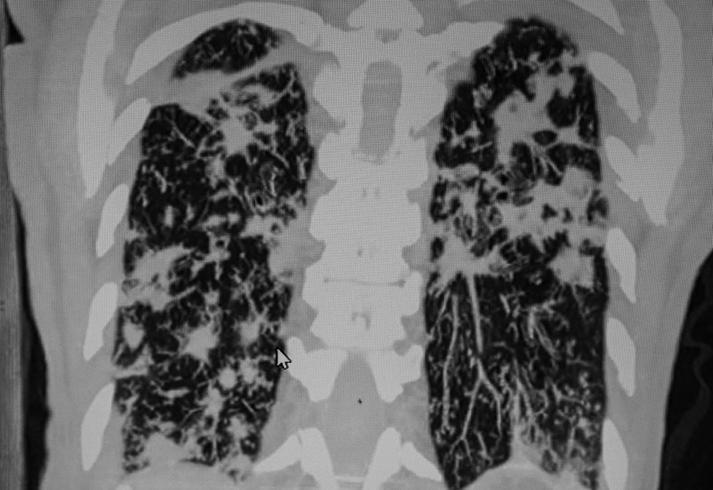
Alpha-1 antitrypsin deficiency (AATD) is a genetic disorder that affects the production of alpha-1 antitrypsin, a protein that protects the lungs from damage. Think of it as a genetic hiccup in the SERPINA1 gene that can lead to an abnormal form of alpha-1 antitrypsin, causing lower levels of this protective protein in the blood. Without it, the risk of developing lung disease, liver disease, and other complications increases. AATD is also known as alpha-1, inherited emphysema, or AAT deficiency. Individuals with AATD may develop emphysema due to this genetic mutation.
Causes and Risk Factors
AATD is caused by a genetic mutation that affects alpha-1 antitrypsin production. This mutation can be passed down from one or both parents, and having two mutated copies of the gene makes developing AATD more likely. If your family has a history of this condition, or if you smoke or are frequently exposed to air pollution, your risk is higher. While AATD can affect people at any age, symptoms often make their debut in adulthood.
Symptoms and Diagnosis
If you find yourself short of breath, wheezing, or dealing with recurring respiratory infections, these might be symptoms of AATD. Liver disease is another common complication, with symptoms like jaundice, abdominal swelling, and fatigue. Some people may even experience painful lumps or skin issues linked to AATD. A simple blood test is essential for diagnosing AATD, as it measures alpha-1 antitrypsin levels in the blood and helps assess liver disease. Coupled with genetic testing, it provides a clearer picture. White blood cells, our body’s defense soldiers, produce an enzyme called neutrophil elastase to fight infections. While neutrophil elastase is crucial for healing lung tissue, it can also cause significant damage by attacking healthy lung tissues if not properly regulated by alpha-1 antitrypsin. In AATD patients, this protection is compromised. A liver biopsy might be suggested to check for liver damage and assess liver function.
Treatment and Management
While there isn't a cure for AATD, treatment can help manage symptoms and slow the disease's progression. Augmentation therapy, which involves receiving alpha-1 antitrypsin through intravenous infusions, can help slow lung damage. Medications might be prescribed to manage symptoms like wheezing and coughing. Lifestyle changes, such as quitting smoking and avoiding air pollution, are also crucial in managing the condition.
Lung Disease and COPD
AATD can lead to chronic obstructive pulmonary disease (COPD), a progressive lung disease that makes breathing a challenge. Neutrophil elastase, an enzyme, plays a dual role in lung health: it helps fight infections but can also damage healthy lung tissue if not regulated. Alpha-1 antitrypsin keeps neutrophil elastase in check, preventing lung damage after its infection-fighting role. COPD can cause symptoms like wheezing, coughing, and shortness of breath. AATD can also increase the risk of developing emphysema, a lung disease that damages the air sacs in the lungs due to unchecked neutrophil elastase activity. Patients with AATD may develop emphysema, a progressive condition characterized by damaged air sacs, resulting in severe respiratory issues and difficulty breathing. For those with severe lung disease, a lung transplant might be an option.
Liver Disease and Complications
About 10 to 15 percent of individuals with alpha-1 antitrypsin deficiency (AATD) may develop liver disease, including cirrhosis and liver cancer. Liver disease can cause symptoms like jaundice, abdominal swelling, and fatigue. A liver biopsy might be recommended to assess liver damage and function. For severe liver disease, a liver transplant could be considered. Liver transplantation is currently the only survival option for severe liver damage caused by AATD, with living-related liver transplantation becoming increasingly popular, where family members are considered as donors.
Complications and Comorbidities
Alpha-1 antitrypsin deficiency (AATD) can lead to various complications and comorbidities, especially affecting the lungs and liver. Understanding these potential issues is crucial for managing the condition effectively.
Living with Alpha-1 Antitrypsin Deficiency
AATD can significantly impact daily life, and individuals with the condition may need to make lifestyle changes to manage symptoms. Quitting smoking and avoiding air pollution can help slow disease progression. Regular exercise and a healthy diet are also beneficial. Working with a healthcare team is essential to manage the condition and prevent complications.
Environmental and Lifestyle Modifications
Living with alpha-1 antitrypsin deficiency requires proactive steps to minimize the risk of developing lung and liver disease. Environmental and lifestyle modifications play a crucial role in managing this condition. Here are some practical measures to consider:
Avoid Pollutants and Toxins: Steer clear of cigarette smoke, dust, and harmful chemicals. If your work environment involves exposure to such elements, wearing a mask can provide added protection.
Quit Smoking: If you smoke, quitting is one of the most impactful changes you can make. Also, avoid secondhand smoke to protect your lungs.
Healthy Weight and Diet: Maintain a healthy weight through a balanced diet and regular exercise. This not only supports overall health but also helps in managing symptoms.
Regular Medical Check-ups: Schedule regular visits with your healthcare provider to monitor lung and liver function. Early detection of issues can lead to more effective management.
Good Hygiene Practices: Reduce the risk of recurring respiratory infections by practicing good hygiene, such as frequent handwashing and avoiding close contact with sick individuals.
By incorporating these modifications into your daily routine, you can significantly reduce the risk of developing lung and liver disease and enhance your overall well-being.
Nutritional Considerations
A nutritious diet is a cornerstone of managing alpha-1 antitrypsin deficiency. Proper nutrition supports lung and liver function, reduces disease risk, and promotes overall health. Here are some key nutritional considerations:
Rich in Fruits and Vegetables: Incorporate a variety of fruits, vegetables, and whole grains into your diet. These foods are packed with essential vitamins and minerals.
High in Antioxidants: Foods like berries and leafy greens are high in antioxidants, which can help protect your cells from damage.
Limit Unhealthy Foods: Avoid foods high in sugar, salt, and unhealthy fats. These can contribute to inflammation and other health issues.
Stay Hydrated: Drink plenty of water to maintain optimal health and support your body's functions. Proper hydration is essential for lung and liver health, as it helps in flushing out toxins and supporting the immune system. Ensuring you drink enough water daily can aid in managing symptoms and reducing the risk of complications associated with alpha-1 antitrypsin deficiency.
Current Research and Future Directions
Research on alpha-1 antitrypsin deficiency (AATD) is a dynamic field, with scientists tirelessly working to uncover new treatments and therapies that can better manage this condition. Here’s a glimpse into some of the most promising areas of research: