
You might have many questions if you've ever been advised to undergo a gastric emptying test. Gastric emptying studies are essential for diagnosing digestive conditions such as gastroparesis and rapid gastric emptying. This blog will explore everything you need to know about these studies, including their purpose, preparation, process, risks, and more.
What is a Gastric Emptying Study?
A gastric emptying study is a diagnostic test that measures the rate at which food empties from the stomach and enters the small intestine. Nuclear medicine physicians are crucial in overseeing the procedure and ensuring accurate results. This test, also known as gastric emptying scintigraphy or a gastric emptying scan, falls under the broader category of gastric emptying tests. It's crucial for diagnosing conditions like delayed or rapid gastric emptying, which can significantly impact your digestive health.
Definition of Gastric Emptying
Gastric emptying refers to the process by which the stomach transfers its contents into the small intestine. This crucial digestive function ensures that the body absorbs nutrients from food efficiently. The process involves a coordinated effort between the stomach's muscular contractions, the release of digestive enzymes, and food movement through the digestive tract. Proper gastric emptying is essential for maintaining overall digestive health and preventing malnutrition, malnutrition, and discomfort.
Importance of Gastric Emptying in Digestion
Gastric emptying plays a pivotal role in the digestive process, allowing the body to absorb essential nutrients from our food. When food enters the stomach, it is mixed with digestive enzymes and acids, breaking it into smaller, absorbable molecules. The stomach's rhythmic contractions, known as peristalsis, help mix the food with these digestive substances. As the food is broken down, it is gradually released into the small intestine, where nutrient absorption occurs. If gastric emptying is either delayed or accelerated, it can lead to various digestive problems, including nausea, vomiting, and malnutrition, highlighting the importance of this process in maintaining digestive health.
Why is a Gastric Emptying Study Performed?
A gastric emptying study is performed to diagnose and evaluate various digestive conditions, particularly those related to gastric motility. This test is crucial for understanding how quickly food moves from the stomach to the small intestine, providing valuable insights into several digestive disorders.
The primary reasons for conducting a gastric emptying study include:
- Diagnosing Gastroparesis: This condition, characterized by delayed gastric emptying, can cause symptoms like nausea, vomiting, and bloating. The study helps confirm the diagnosis and assess the severity.
- Evaluating Treatment Effectiveness: The test can monitor how well treatments are working for patients already diagnosed with gastroparesis.
- Monitoring Disease Progression: Regular gastric emptying studies can track the progression of gastroparesis over time.
- Diagnosing Other Conditions: The test can also help identify other conditions affecting the stomach and small intestine, such as peptic ulcer disease.
- Assessing Gastric Motility and Neuromuscular Function: The study provides a comprehensive view of gastric motility by evaluating how well the stomach muscles and nerves are working.
Understanding the purpose of a gastric emptying study can help patients and healthcare providers make informed decisions about diagnosing and managing digestive health issues.
Purpose and Preparation
The primary purpose of a gastric emptying study is to assess gastric motility and identify any underlying digestive conditions. For effective gastric emptying study prep, patients should follow specific meal instructions, including consuming a standard meal with defined components at a designated time before the test. To ensure accurate results, patients must refrain from eating or drinking for at least four hours before the test. Medications that could delay gastric emptying should be discontinued two days before the exam. Patients with diabetes should closely monitor their blood sugar levels and adjust their insulin dosage accordingly.
Types of Gastric Emptying Tests
Several gastric emptying tests are available to diagnose and monitor digestive issues. These tests include:
- Gastric Emptying Study (GES): This nuclear medicine test uses a small amount of radioactive material to track the movement of food through the stomach and small intestine. It provides detailed insights into gastric motility and emptying rates.
- Breath Test: This non-invasive test measures the amount of a specific substance in the breath to evaluate how quickly the stomach empties. It is helpful for initial assessments and offers a less detailed but convenient alternative to a gastric emptying study.
- Upper Gastrointestinal (GI) Endoscopy: This procedure uses a tiny camera on the end of a long, flexible tube to visualize the esophagus, stomach, and small intestine. While it is excellent for identifying structural abnormalities, it does not measure gastric motility.
- Ultrasound: This imaging test uses high-frequency sound waves to create images of structures within the body. It can assess the stomach and other digestive organs, although it is less commonly used to evaluate gastric emptying.
Each test has its advantages, and the patient's needs and medical history determine the chosen one.
The Gastric Emptying Scan Process
During the emptying test, you'll consume a standardized meal containing a small amount of radioactive material, usually scrambled eggs or a liquid meal. This meal must be eaten within ten minutes. Imaging is then performed using a gamma camera to track the movement of the radioactive material through your digestive system, providing insights into how your stomach empties.
Risks and Side Effects
While the test involves exposure to a small radiation dose, it is generally safe for most individuals. However, pregnant or lactating individuals should exercise caution due to potential risks to the fetus or infant. Fortunately, there are no known side effects, and the radiation will naturally pass out of your body through urine and stool within two days. Drinking plenty of water can help expedite this process.
Understanding Test Results
Gastric emptying study results will reveal how efficiently your stomach empties its contents into the small intestine. Expected results indicate that food leaves the stomach at a regular rate, whereas abnormal results may suggest delayed gastric emptying, rapid gastric emptying, or other digestive issues.
Delayed Gastric Emptying: Causes and Symptoms
Delayed gastric emptying, commonly called gastroparesis, occurs when the stomach takes too long to empty its contents. Symptoms include nausea, vomiting, abdominal pain, and bloating. Causes can range from diabetes and certain medications to underlying gastroparesis.
Treatment Options
Treatment for delayed gastric emptying varies depending on its cause. To stimulate gastric motility, medications like metoclopramide, erythromycin, and domperidone may be prescribed. Dietary changes, such as consuming smaller, more frequent meals, can also help manage symptoms. In severe cases, surgery may be necessary.
Lifestyle and Home Remedies
Making lifestyle changes can significantly improve gastroparesis symptoms. Quitting smoking and avoiding fatty or greasy foods, which can slow gastric emptying, are recommended. Eating smaller, more frequent meals can also aid in symptom management.
Alternative Medicine
Alternative therapies, such as acupuncture and electroacupuncture, have shown promise in treating gastroparesis symptoms. Herbal supplements and probiotics may also offer relief for some individuals.
Preparing for Your Doctor's Appointment
Before your appointment, list questions to ask your healthcare professional about managing your symptoms. Bring along a list of medications and relevant medical history. Inquire if any dietary restrictions or medication adjustments are necessary before the appointment.
Clinical Trials and Research
Clinical trials and research are continuously advancing the field of gastric emptying disorders, aiming to improve both diagnosis and treatment options. Some of the exciting areas of current research include:
- New Diagnostic Tests: Innovations like breath tests and wireless pH capsules are being developed to provide less invasive and more accurate assessments of gastric emptying.
- Medications and Therapies: Researchers are exploring new medications, such as tesamorelin, and therapies, like gastric electrical stimulation, to enhance treatment effectiveness.
- Lifestyle Interventions: Studies examine how diet and exercise can influence gastric emptying, offering potential non-pharmacological treatment options.
- Interconnected Health Issues: Ongoing research into the relationship between gastric emptying and other digestive and kidney diseases could lead to more holistic treatment approaches.
These advancements in clinical trials and research pave the way for better management of gastric emptying disorders, ultimately improving patient outcomes and quality of life.
Gastric Emptying Study vs. Other Diagnostic Tests
A gastric emptying study is one of several tests for diagnosing digestive conditions. Here's how it compares to other standard diagnostic methods:
- Upper GI Series: This test visualizes the upper digestive tract using X-rays and barium. While it provides detailed images, it doesn't measure the gastric emptying rate.
- Endoscopy: This procedure uses a flexible tube with a camera to allow direct visualization of the digestive tract. It's excellent for identifying structural abnormalities but doesn't assess gastric motility.
- Breath Test: This non-invasive test measures the amount of a specific substance in the breath to evaluate gastric emptying. It's less detailed than a gastric emptying study but can be helpful for initial assessments.
- Nuclear Medicine Test: Similar to a gastric emptying study, this test uses small amounts of radioactive material to visualize the digestive tract. It's highly effective for assessing gastric motility.
Each test has its advantages and disadvantages, and the choice of test depends on the patient's needs and medical history. A gastric emptying study is often preferred for detailed insights into gastric motility and emptying rates.
What to Expect After the Test
After the test, your healthcare professional will interpret and discuss the results with you. Treatment options will be explored if delayed gastric emptying or other digestive conditions are detected. Follow-up appointments may be scheduled to monitor your condition and adjust treatment.
Gastric Anatomy and Physiology
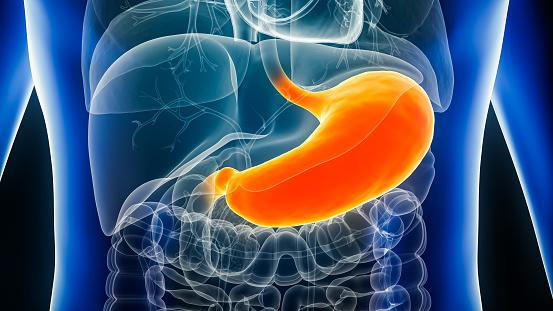
The stomach is a muscular, hollow organ located in the upper left side of the abdominal cavity. It is divided into four regions: the fundus, body, antrum, and pylorus. The stomach's primary function is to break down food and mix it with digestive enzymes and acids, a process facilitated by its muscular contractions known as peristalsis. These contractions help move food through the digestive tract and are crucial for efficacious gastric emptying.
The enteric nervous system, a complex network of neurons and glial cells that innervates the gastrointestinal tract regulates the stomach's neuromuscular function. This system controls the stomach's muscular contractions, secretions, and blood flow, ensuring the coordinated activity necessary for proper digestion and gastric emptying.
Gastric Emptying in Special Populations
Gastric emptying can vary significantly across different populations, influenced by factors such as age, sex, and certain medical conditions:
- Infants and Young Children: Gastric emptying is generally slower in infants and young children, which can lead to feeding difficulties and digestive issues.
- Older Adults: In older adults, gastric emptying can be delayed, potentially causing digestive problems and malnutrition.
- Pregnant Women: Pregnancy can affect gastric emptying, often leading to digestive discomfort and nausea.
- People with Diabetes: Individuals with diabetes may experience delayed gastric emptying, known as diabetic gastroparesis, which can result in digestive problems and poor nutrient absorption.
- People with Gastroparesis: Gastroparesis is a condition characterized by significantly delayed gastric emptying, leading to symptoms such as nausea, vomiting, and malnutrition.
Understanding how gastric emptying varies in these populations is essential for tailoring diagnostic and treatment approaches to meet their needs.
Frequently Asked Questions
- What is a gastric emptying study?
- How does a gastric emptying study work?
- What are the risks and side effects of a gastric emptying study?
- How do I prepare for a gastric emptying study?
- What are the treatment options for delayed gastric emptying?
- What is gastric neuromuscular function, and why is it important?
Gastric neuromuscular function refers to the coordinated activity of the stomach muscles and nerves that control the rate and patterns of gastric emptying. Assessing gastric neuromuscular function is crucial in diagnosing gastrointestinal issues, as it helps standardize procedures to evaluate gastric motility and function. Various tests and methodologies are used to measure this function, providing essential insights into the underlying causes of digestive problems.
Understanding gastric emptying studies can empower you to make informed decisions about your digestive health. Whether preparing for a test or seeking treatment options, this guide aims to provide you with the knowledge you need to navigate the process confidently.
Conclusion
A gastric emptying study is a valuable diagnostic tool for evaluating digestive conditions related to gastric motility. The test provides crucial information for diagnosing and treating conditions like gastroparesis and dumping syndrome by measuring how quickly food moves from the stomach to the small intestine. Ongoing research and clinical trials continually improve the diagnosis and treatment of gastric emptying disorders. New technologies and therapies are being developed to help patients manage their symptoms and enhance their quality of life.
Understanding the importance and results of a gastric emptying study empowers patients to make informed decisions about their digestive health, ensuring they receive the most effective care possible.